peptest
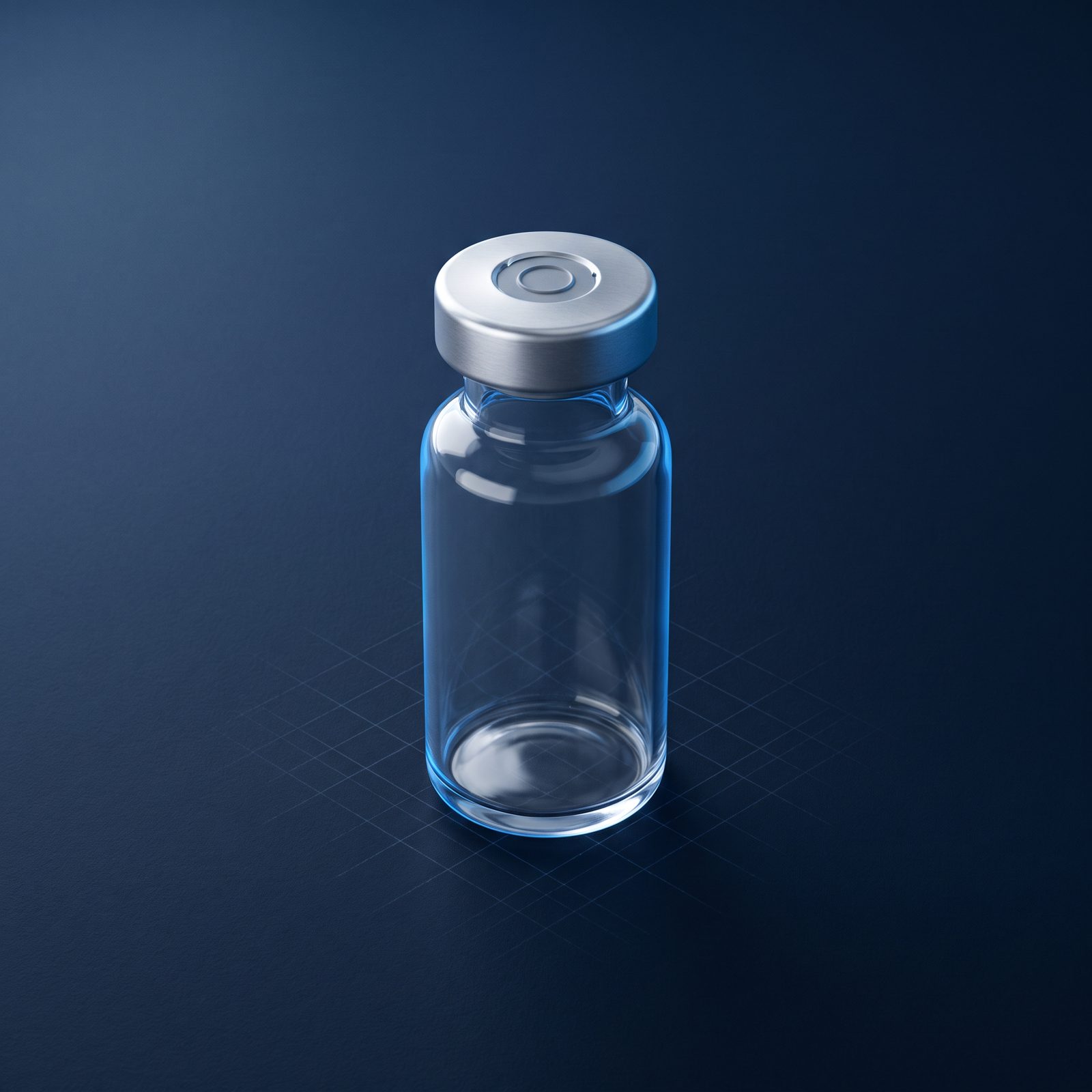
A sealed research vial representing NAD+ on a dark laboratory surface

SKU.NAD

RESEARCH.OVERVIEW

NAD+ is a small molecule the body makes and uses in every cell. It helps turn food into energy, and it is needed by several families of enzymes — including the sirtuins tied to aging research. Most cellular NAD+ sits in the mitochondria; the body makes new NAD+ from tryptophan and by recycling it through NMN and NR. Older or stressed tissues carry measurably less NAD+ than younger, healthier ones — a well-documented finding, and the reason NAD+ research took off.

01.Details
Strength: 500mg. Form: lyophilized research material. Testing: third-party tested every batch. Documentation: COA for every batch.
02.Handling
Keep lyophilized research material sealed, protected from light, and handled with standard laboratory controls. Follow internal SOPs for storage, reconstitution, labeling and disposal.
03.Regulation
No FDA-approved NAD+ drug product exists for any indication. Intravenous NAD+ is compounded under Section 503A and is not FDA-approved; nicotinamide mononucleotide was removed from the dietary-supplement market on October 11, 2022.
04.Molecule
NAD+, also indexed as oxidized nicotinamide adenine dinucleotide, is a dinucleotide coenzyme of adenine and nicotinamide nucleotide units joined by pyrophosphate. Reference records identify it as C21H27N7O14P2, molecular weight 663.43 g/mol, CAS 53-84-9, PubChem CID 5893.
05.Testing
Every batch is independently tested and ships with its own certificate (mass spec, HPLC purity). Use the certificate to confirm identity and purity before work begins.
06.Resources
PubChemPubMedWikipediaResearch library →